Skip to content
VARI Studio

Interior Design Enquiries: How Studios Reply Faster and Win More Projects

Most clients message three studios and hire the one that answers first and best. A practical playbook for turning WhatsApp, Instagram and website enquiries into signed interior projects.

VBy VARI StudioPublished 8 min read
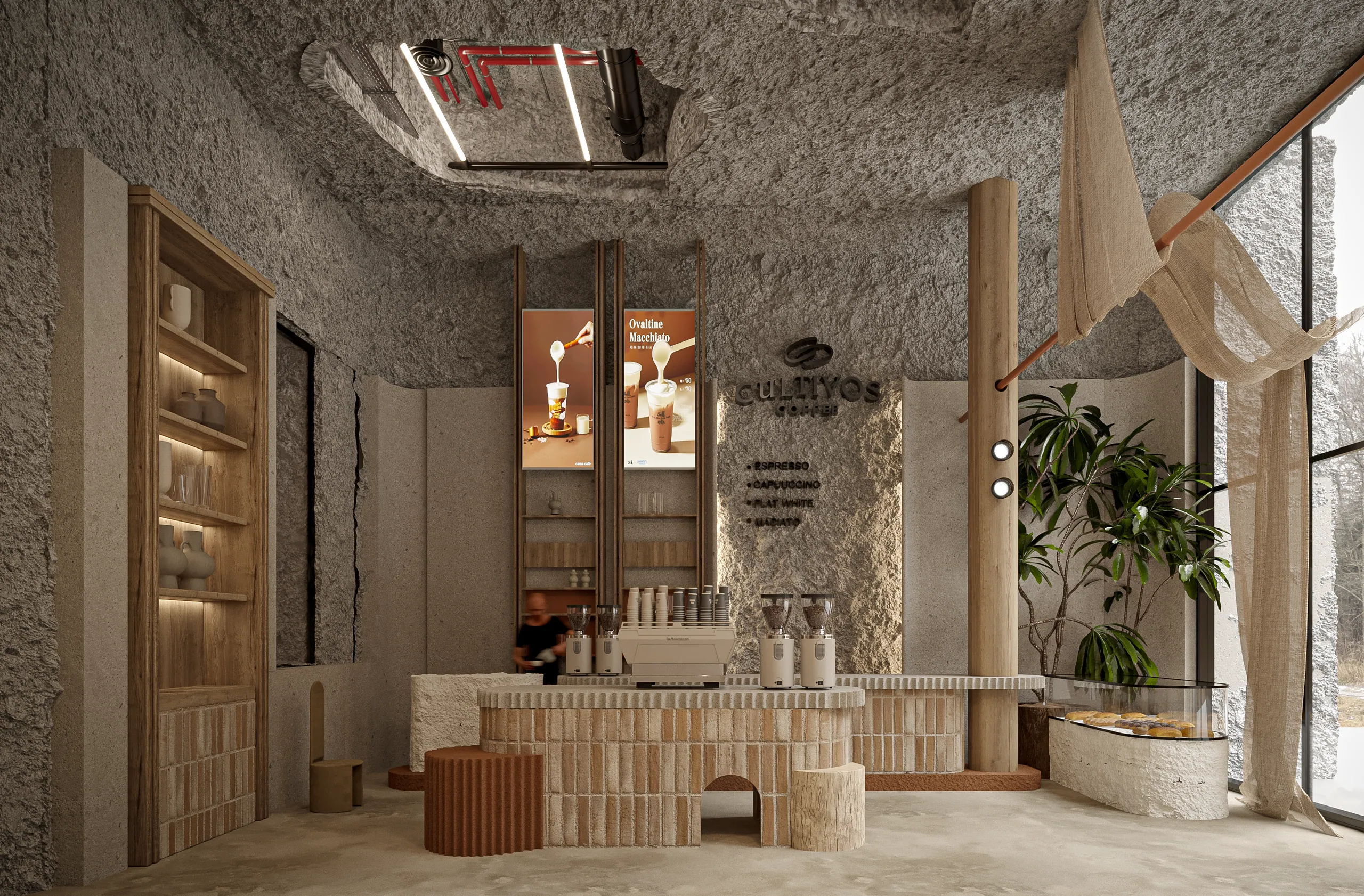
Café interior visualization by VARI Studio: stone walls, timber shelving and a terrazzo counter
In this article
  1. Why the first hour decides the project
  2. Where enquiries arrive now, and where they leak
  3. Step 1: reply in minutes, even after hours
  4. Step 2: qualify with three questions
  5. Step 3: show, don't describe
  6. Step 4: make the consultation easy to book
  7. Step 5: follow up without chasing
  8. Reply templates you can copy
  9. First reply (WhatsApp or Instagram)
  10. After-hours acknowledgement
  11. Booking the consultation
  12. Follow-up after two days
  13. What to automate, and what never to
  14. Measure three numbers
  15. The studio that answers well wins the better projects

A homeowner finishes scrolling through three studio portfolios on Instagram, sends the same message to all three ("Hi, we're renovating our apartment, can you help?") and goes back to their evening. The studio that replies first, with a clear next step, is usually the one that gets the site visit. The others reply the next morning to a client who has already booked.

This is the least glamorous part of interior design and the one that decides whether the beautiful part ever happens. This guide collects what works for design and visualization studios: how fast to answer, what to ask, what to show and what to automate, with reply templates you can use today.

Why the first hour decides the project

Clients rarely contact one studio. They shortlist two to four from Instagram, Google or a recommendation and message them all. Whoever answers first gets the first real conversation, and the first real conversation frames every comparison that follows.

The research on sales enquiries points the same way. A Harvard Business Review study of more than two thousand companies (2011) found that firms contacting a lead within an hour were nearly seven times more likely to qualify it than firms that waited longer, yet the average response time was over forty hours. An earlier industry study led by Dr. James Oldroyd reported far higher odds for a reply within five minutes than within thirty. The exact multipliers come from sales teams, not design studios, but the direction is clear and it matches what studio owners describe: speed is not about looking eager, it is about being in the conversation while the client still has the project open in their head.

The client is not comparing your talent at this stage. They are comparing who made the next step easy.

Where enquiries arrive now, and where they leak

A decade ago enquiries came by phone and email. Today a typical residential studio receives them on four or five channels at once:

  • WhatsApp: the most personal channel, and the one clients expect to be answered almost like a chat with a friend.
  • Instagram DMs: where clients arrive straight from your portfolio, often with a screenshot of a project they love.
  • The website form: slower, but where larger and commercial projects usually start.
  • Email and marketplaces (Houzz and similar directories).
  • Phone calls: still common from developers and repeat clients.

The leaks are predictable: messages that arrive during a site visit or a client presentation, evenings and weekends (when homeowners actually plan their renovations), DMs buried under comments and reactions, and enquiries one team member saw and assumed someone else had answered. None of these is a talent problem. They are a system problem, and systems can be fixed.

Step 1: reply in minutes, even after hours

The first reply has one job: show the client a person is taking their project seriously and give them the next step. It does not need to be long, and it does not need to come from the principal designer.

Three practical setups, from simplest to strongest:

  1. Saved replies in WhatsApp Business and Instagram for the five messages you send every week (first reply, fees, process, availability, follow-up).
  2. One shared inbox for WhatsApp, Instagram, Messenger and the website, so nobody switches between four apps and nothing is answered twice or never.
  3. An AI first responder. For studios that are on site most of the day, an AI assistant that answers WhatsApp and Instagram enquiries in seconds can greet the client in their language, answer the common questions from your own fee and process information, collect the project details and book the consultation in your calendar, then hand the conversation to you with everything already written down.

Whichever you choose, set two rules: no enquiry waits more than an hour for a first answer during working hours, and every enquiry outside working hours gets an immediate acknowledgement with a clear time for the full reply.

Step 2: qualify with three questions

Every studio has clients it is perfect for and clients it should politely refer elsewhere. Three questions sort almost every enquiry, and they are easy to ask in a chat:

  1. The space: what is it (apartment, villa, office, restaurant), roughly how large, and is it new build, renovation or furnishing only?
  2. The timeline: when do they want to move in, open or start works, and are plans or drawings already available?
  3. The budget range: not an exact figure, a range. Offering ranges ("under 20k, 20 to 50k, above 50k") makes the question comfortable to answer.

Ask them in this order. The space is an easy, enjoyable question, the timeline tells you how urgent it is, and by the time you ask about budget the client is already describing their project to you. Location and how they found you are useful extras, and an AI assistant or a short form can collect them without the client noticing they are being qualified.

Step 3: show, don't describe

Here is where design and visualization studios have an advantage most service businesses do not: what you sell is visual, and a picture answers questions a paragraph cannot.

  • Send one relevant project, not your whole portfolio. A client renovating a two-bedroom apartment wants to see a two-bedroom apartment you transformed, not your hotel lobby.
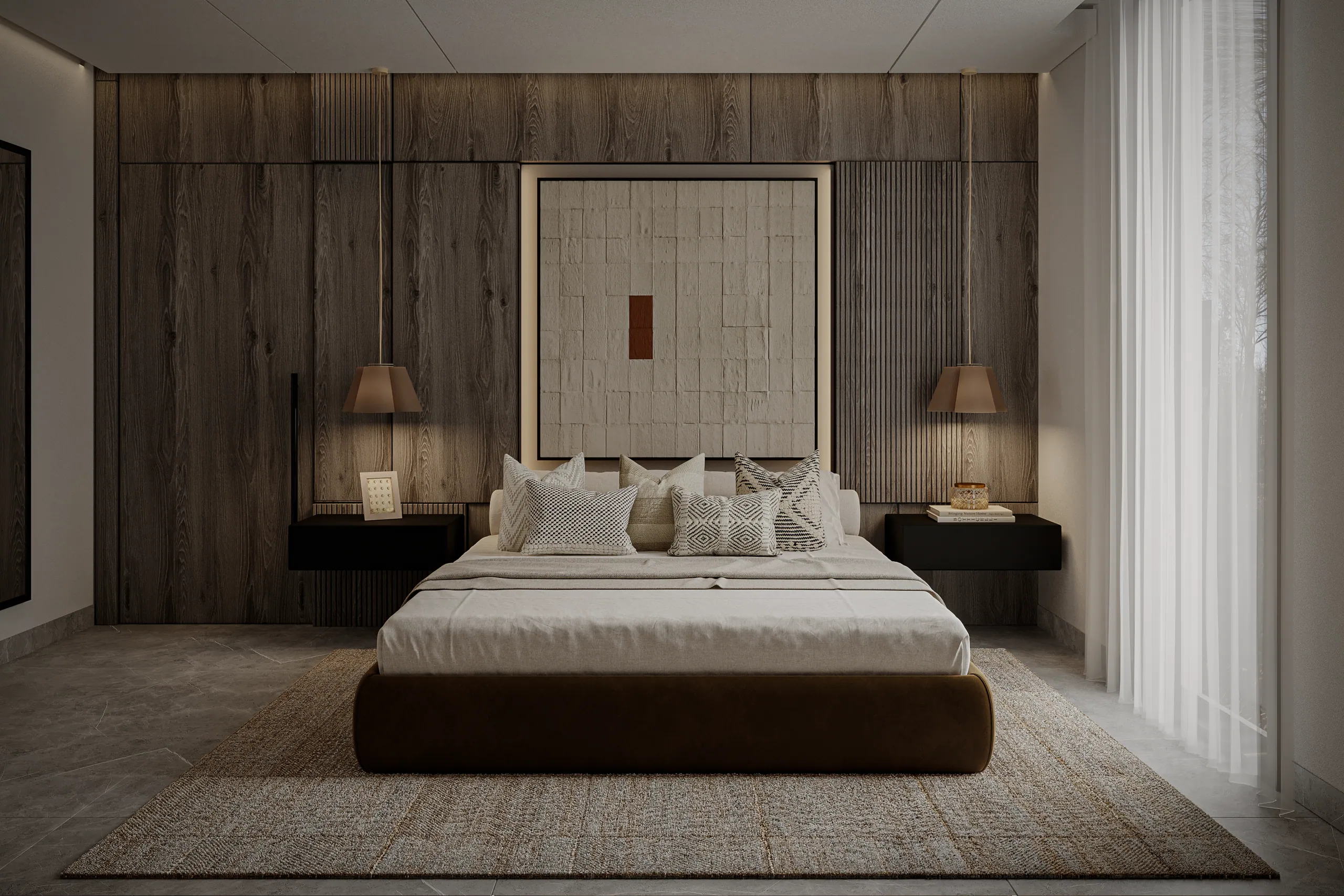
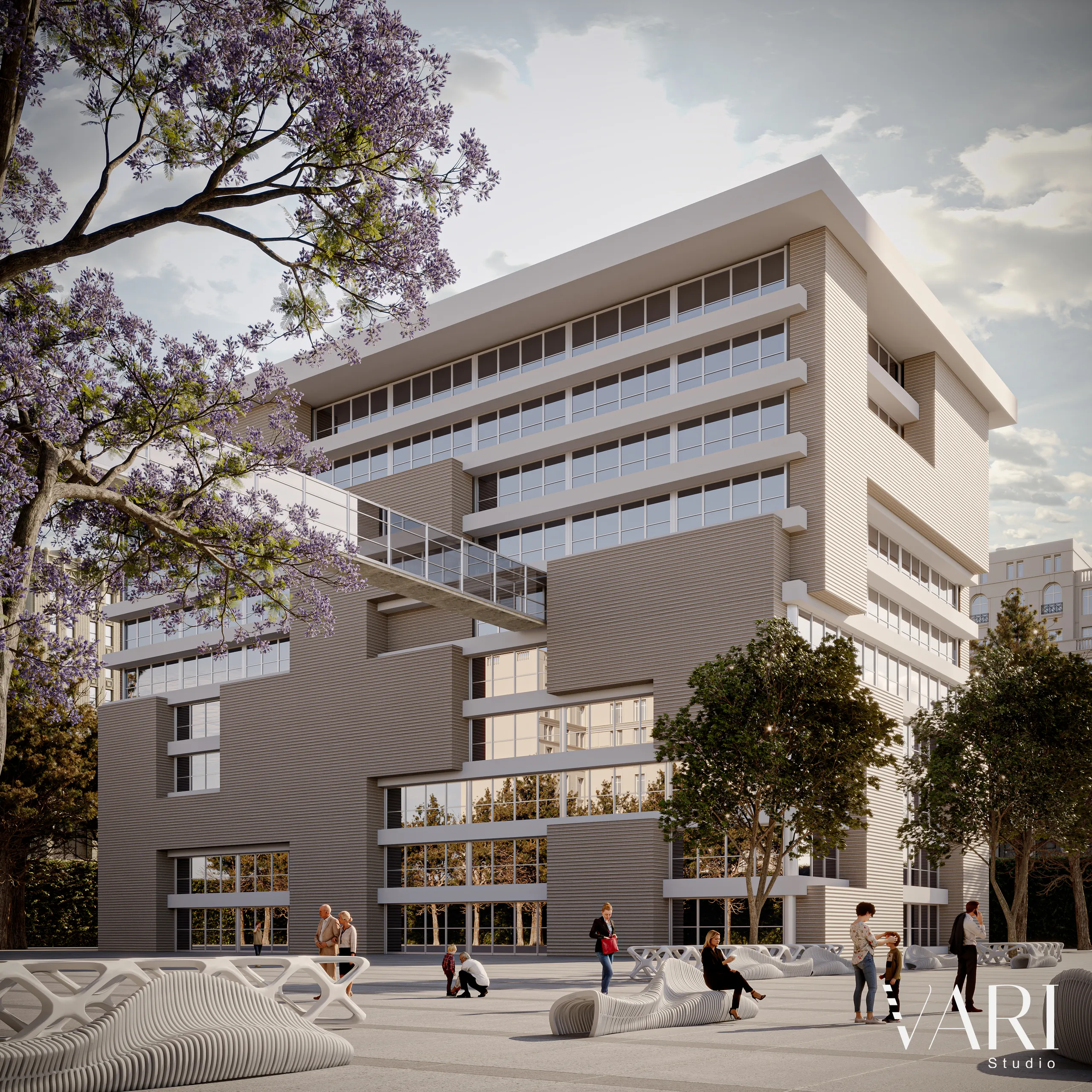
  • Use a render to explain the process. A single 3D visualization of an interior next to the plan it came from shows the client exactly what they will receive and why it is worth paying for.
  • Keep a before-and-after ready for renovation enquiries, and a short walkthrough video or 360 view for larger projects.

Visuals also qualify. A client who sees your work and still wants to talk is a client whose taste already matches yours. Studios that present every concept as a photorealistic interior rendering find that the first meeting starts at "when can we start?" rather than "can you show me what you mean?".
Step 4: make the consultation easy to book

Every back-and-forth about dates costs you clients. Offer two or three concrete slots, or a booking link, in the same message as the invitation. Say exactly what the call is: how long it takes (20 to 30 minutes is plenty for a first call), whether it is free, and what the client should have ready (photos of the space, the floor plan, a few images they like).

For site visits and detailed advice, many studios charge a consultation fee and credit it against the design fee if the project goes ahead. It qualifies serious clients without putting off anyone who intends to hire you.

Step 5: follow up without chasing

Most enquiries that go quiet are not lost. The client got busy, is waiting for a partner's opinion or is still comparing. One polite follow-up after two days and one after a week, each with something useful (a relevant project, an answer to a question they had, an available slot), recovers a surprising share of them. After that, stop: a studio that chases looks like a studio with too much time.

Reply templates you can copy

First reply (WhatsApp or Instagram)

"Hi [name], thank you for getting in touch, and congratulations on the new project. I'm [your name] from [studio]. So we can point you in the right direction, could you tell me a little about the space (type and rough size), when you'd like to start, and whether plans are already available? I'll come back to you today with the next steps."

After-hours acknowledgement

"Thank you for your message, it has reached us. Our team is out of the studio right now and will reply personally by 10:00 tomorrow. If you'd like, send us a few photos of the space in the meantime."

Booking the consultation

"Thank you, this sounds like a lovely project and a good fit for us. The next step is a free 30-minute call where we go through the space, your ideas and the budget. Would Tuesday at 11:00 or Thursday at 16:00 work for you?"

Follow-up after two days

"Hi [name], just checking in on your [apartment] project. Here's a similar space we completed last year, in case it's useful for your planning. Happy to have a quick call whenever suits you."

What to automate, and what never to

Automation earns its place on everything repetitive: acknowledging messages, answering "what are your fees?" and "do you work in my city?", collecting the project details, sending the portfolio link, booking the call and reminding the client the day before. That is where most of the hours go, and where clients value speed more than a personal touch.

What should stay human is everything that needs taste and judgement: the conversation about how the client lives, the first design direction, the discussion of budget trade-offs and anything sensitive or unhappy. A good assistant makes these conversations start sooner, with the facts already collected. It should also say clearly that it is an assistant, use only the information you gave it and hand over to a person the moment the client asks.

Measure three numbers

  • First response time: the median time between an enquiry arriving and the first real reply.
  • Enquiry to consultation rate: how many enquiries become a booked call or visit.
  • Consultation to signed project rate: how many of those become paying clients.

Look at them once a month. If the first number improves, the second usually follows within a few weeks. If the second is fine but the third is weak, the problem is not your inbox: look at the proposal, the fee presentation and the way your pricing is explained.

The studio that answers well wins the better projects

Good studios lose projects every week, not to better designers but to faster, clearer replies. Answer within the hour, ask three good questions, show one relevant visual, make the consultation easy to book and follow up twice. None of it requires a bigger team. It requires a system, a few templates and, for busy studios, an assistant that never misses a message.

If your next proposal needs visuals that sell the concept before the first meeting, VARI Studio's interior visualization is built for exactly that.

Frequently asked questions

How fast should an interior designer reply to a new enquiry?

Within the hour during working hours, and with an immediate acknowledgement at any time. Sales research on online leads (Harvard Business Review, 2011) found that firms replying within an hour were around seven times more likely to qualify the lead than those replying later.

Should I quote a price in the first message?

Give a range or your starting fee, not a quote. A range filters out mismatched budgets early; a precise number before you have seen the space or the plans sets a figure the client will hold you to.

Is it acceptable to use an AI assistant to answer clients?

Yes, for the first reply, answering common questions, collecting project details and booking the consultation, as long as it is transparent, uses your own information and hands the conversation to a person when the client asks for one or the question is about design.

Which channel brings the best interior design clients?

It depends on the market, but the studios that convert best answer every channel from one place. Instagram is where clients judge your taste, WhatsApp is where they talk, and the website form is where larger commercial projects usually arrive.

Should the first consultation be free?

A short free call (20 to 30 minutes) works well for qualifying; a longer paid consultation, often credited against the design fee, works for site visits and detailed advice.

Share

V

About the author

VARI Studio

Design & 3D visualization studio

VARI is an architectural visualization and interior design studio creating photorealistic renderings, animations and design concepts for clients worldwide.

Back to the blog

Have a project in mind?

From a single still to a complete visual campaign — tell us what you are planning and we will show you how it can look.

or write to us